At Work with Studio 7.5
To celebrate the release of their new Mirra 2 chair, we spoke to designer Carola Zwick of Berlin-based Studio 7.5 about the benefits of having a studio environment that responds directly to the way they work.
Written by: The Editors
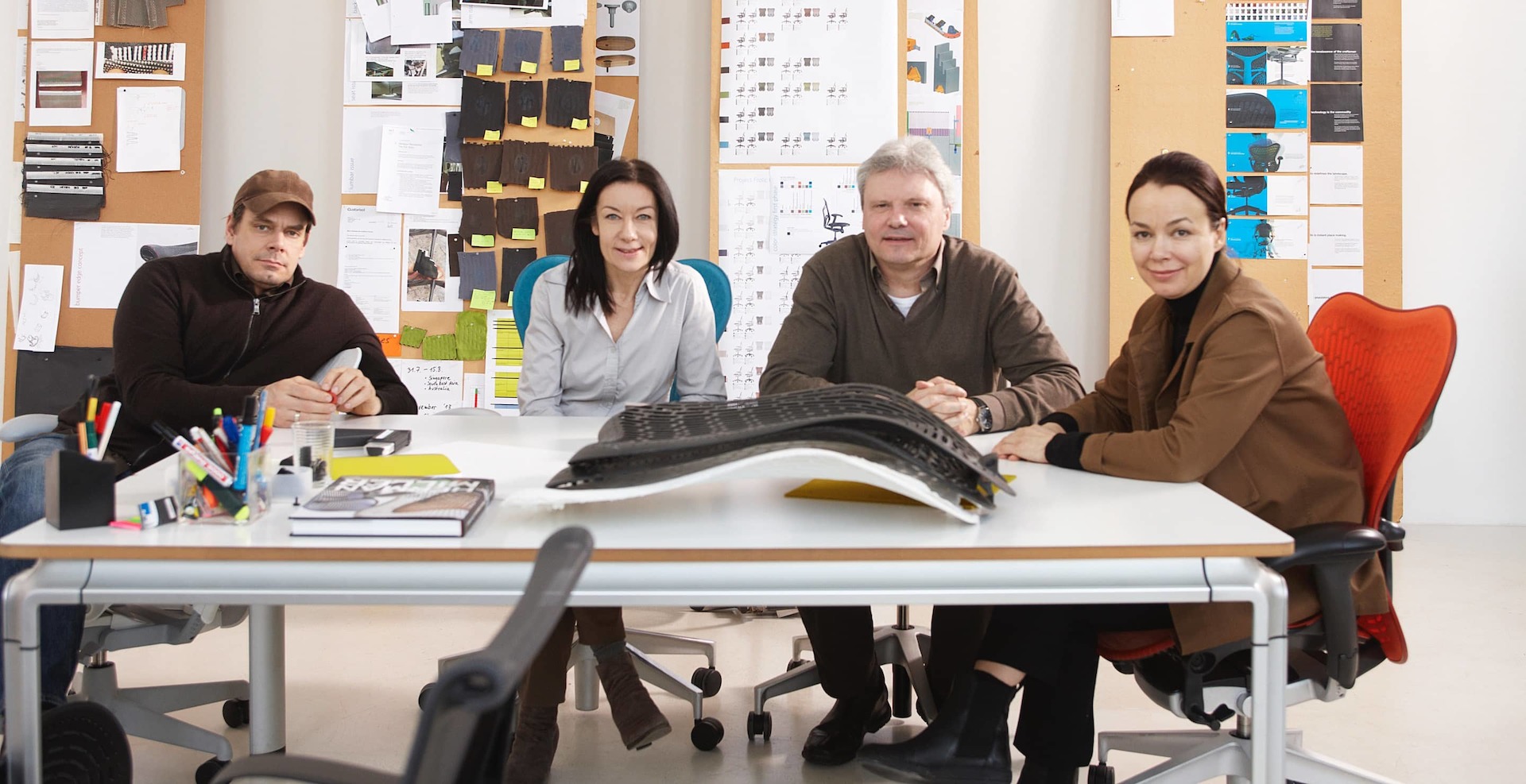
Roland, Claudia, Burkhard and Carola of Studio 7.5 at their workspace in Berlin, Germany. Photo by Marcus Gaab.
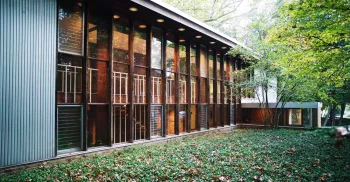
In spring 2011, siblings Roland and Carola Zwick, Claudia Plikat and Burkhard Schmitz of Studio 7.5 moved into an industrial pocket in the former west part of Berlin, close to the centre of town. Located directly on the River Spree on the ground floor of a defunct turn-of-the-century fabric-dying factory, their studio retains markers of its working-life past. Two-storey windows, once an aid to examining dyed fabrics, flood the interior with natural light. Capacious ceilings, originally built to accommodate cranes for moving goods, provide ample space for the designers to store and work on their various tools: lathes and CNC machines, CAD workstations and 3D printers, hand tools and a fully functioning photo lab. By providing the team with a venue to test and refine every idea – in full-scale prototypes – until the most elegant answers emerge, the workspace of 7.5 helps to inform and support their process, resulting in the quality-tested, experience-driven designs that make working better, such as Mirra 2.
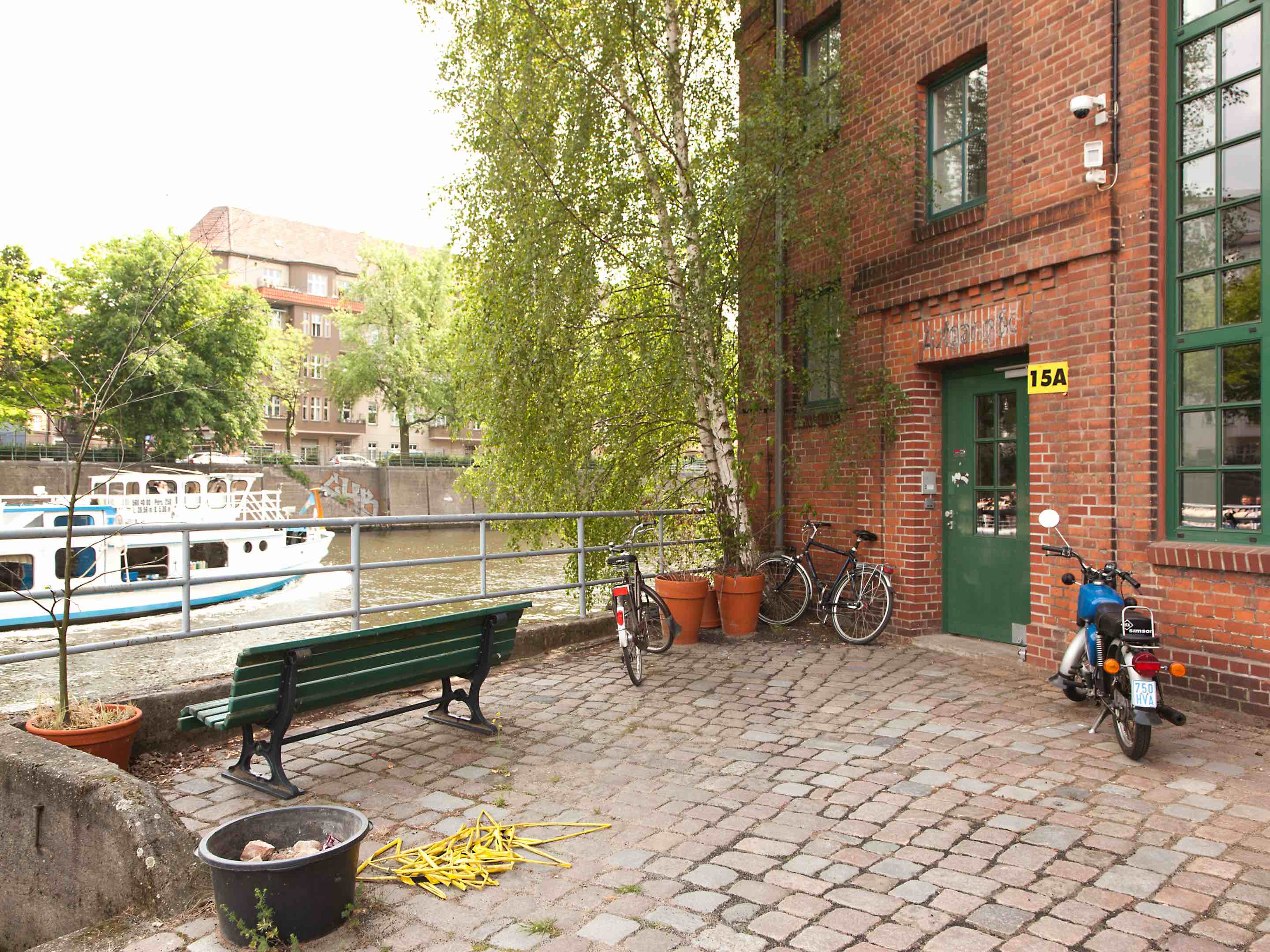
The main entrance to Studio 7.5’s workspace, which is on the banks of the River Spree in the former western section of Berlin, Germany. Photo by Hello Design.
What attracted you to this particular space?
The fact that it is located directly on the waterfront creates perfect lighting conditions, distance from other buildings and fresh air. It is a former manufacturing facility so the space is generous, with six-metre ceilings and huge windows. And the water creates unique reflection patterns that are changing constantly, which adds a sense of weather and time: the view is simply relaxing.
Did you have to change it very much?
We had to renovate it completely. There was no infrastructure on the inside: no electricity, no toilets, no kitchen...
How does it compare to your previous office?
It’s an upgrade from the old studio, which was a small former blacksmith’s shop that had only one big hall with six-metre ceilings, but the rest was much smaller and distributed over three floors. It was located in the backyard of a residential building, and the natural lighting conditions were pretty bad.